How to Select Pre-Opened Poly Bags on Rolls for Maximum Packaging Efficiency

A Complete Buyer’s Guide to Choosing the Right Bag Material, Thickness, Size, Roll Configuration, and Machine Compatibility for Auto Bagger Machine.

Quick Answer

Selecting the right pre-opened poly bags on rolls is one of the most important factors in achieving reliable automated packaging. The ideal bag depends on your product dimensions, bag thickness, polyethylene material, sealing performance, roll configuration, and compatibility with your automatic bagging machine. Choosing properly matched bags reduces machine downtime, improves sealing consistency, minimizes material waste, and increases production efficiency.

Whether you package hardware, electronics, medical devices, food products, apparel, or e-commerce items, selecting the correct specifications ensures stable bag feeding, faster packaging speeds, and lower operating costs.

As automated packaging becomes increasingly common across manufacturing, logistics, and e-commerce industries, pre-opened bags on rolls have become the preferred packaging solution for businesses seeking higher productivity and consistent packaging quality. Unlike loose bags that require manual handling, pre-opened bags are supplied in continuous rolls that feed directly into automatic bagging machines, allowing operators to package products quickly with minimal labor.

However, not all pre-opened bags deliver the same performance. Differences in film quality, bag dimensions, roll winding precision, perforation strength, and machine compatibility can significantly affect packaging speed, sealing quality, and production stability. Selecting an unsuitable bag may lead to feeding errors, poor seals, excessive downtime, product damage, and unnecessary material waste.

Drawing on practical manufacturing experience with custom flexible packaging, this guide explains the key factors that purchasing managers, packaging engineers, and OEM manufacturers should evaluate before choosing pre-opened poly bags for automated packaging applications.

What Are Pre-Opened Poly Bags on Rolls?

chian pre opend bags on a roll

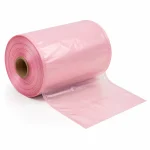
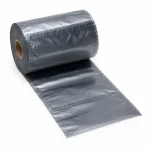
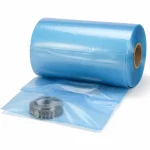
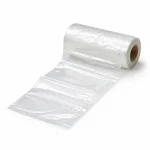
Pre-opened poly bags on rolls are flexible polyethylene bags that are pre-separated with perforations and wound onto a continuous roll for use with automatic bagging equipment. Each bag is partially opened during manufacturing, allowing automated packaging machines to quickly present the next bag for loading without manual intervention.

Compared with manually loading individual bags, pre-opened bags significantly increase packaging speed while reducing labor costs and operator fatigue. Because every bag is manufactured with consistent dimensions and perforation spacing, automatic bagging systems can maintain accurate positioning throughout continuous production.

Modern pre-opened bags are commonly manufactured using LDPE, LLDPE, HDPE, or customized polyethylene blends depending on product weight, puncture resistance requirements, transparency, and sealing performance. They are widely used in industrial manufacturing, medical packaging, food processing, automotive components, electronic products, apparel, promotional items, and e-commerce fulfillment.

Feature Benefit
Continuous Roll Design Supports uninterrupted automated packaging.
Pre-Opened Mouth Allows immediate product insertion.
Precision Perforation Reliable bag separation during production.
Heat Sealable Film Creates consistent package sealing.
Custom Printing Available Supports branding and product identification.

Expert Tip:

Choosing high-quality pre-opened bags is not simply about selecting the lowest price. Consistent film thickness, accurate bag dimensions, and reliable roll winding often have a much greater impact on production efficiency than material cost alone.

How Do Pre-Opened Bags Work?

Pre-opened bags are specifically designed to work with automatic bagging systems. As the roll advances through the machine, each perforated bag is indexed into position. The machine automatically opens the bag using air pressure or mechanical fingers, allowing products to be inserted either manually or by automated conveyors, robotic arms, or counting systems. After loading, the machine seals the bag and advances the next bag into position, creating a continuous packaging cycle.

This automated process dramatically improves packaging efficiency compared with manually opening and filling loose bags. Because every bag is precisely positioned, businesses benefit from faster production speeds, consistent sealing quality, reduced operator handling, and fewer packaging errors.

High-quality pre-opened bags are engineered with precise perforation strength and dimensional accuracy to ensure smooth feeding throughout extended production runs. Even small variations in bag width, roll tension, or perforation quality may interrupt machine operation, making manufacturing consistency an important factor when selecting a supplier.

Why Choosing the Right Pre-Opened Bag Matters

china auto bagMany businesses focus primarily on purchasing price when sourcing pre-opened poly bags. However, the overall cost of packaging is influenced far more by production efficiency than by the price of each individual bag. Even a small variation in film quality, bag dimensions, or roll consistency can lead to machine stoppages, poor sealing, excessive waste, and higher labor costs.

A properly selected pre-opened bag improves every stage of automated packaging. It feeds smoothly through the bagging machine, opens consistently, seals securely, and protects products throughout storage and transportation. The result is faster throughput, reduced downtime, fewer rejected packages, and lower operating costs.

Packaging engineers should evaluate bag performance based on the complete packaging process rather than material price alone. Reliable packaging materials contribute directly to production stability and customer satisfaction.

Selection Factor If Selected Correctly If Selected Incorrectly
Film Material Strong protection and reliable sealing Tearing, punctures, poor seals
Bag Thickness Balanced strength and cost Material waste or product damage
Bag Dimensions Smooth product loading Jams and packaging delays
Roll Configuration Continuous production Frequent machine stoppages
Machine Compatibility Stable high-speed packaging Feeding and indexing failures
Industry Insight: In automated packaging, a machine usually performs only as well as the bags feeding through it. Consistent bag quality is essential for maintaining stable production.

How to Choose the Right Bag Material

The material used to manufacture pre-opened poly bags has a significant impact on packaging performance. Different polyethylene films provide different levels of flexibility, puncture resistance, clarity, sealing characteristics, and durability. Selecting the appropriate material ensures the bag matches both the packaged product and the operating conditions of the automatic bagging machine.

LDPE (Low-Density Polyethylene)

LDPE is one of the most commonly used materials for pre-opened bags. It offers excellent flexibility, good transparency, and dependable heat sealing performance. LDPE bags are suitable for general industrial packaging, apparel, retail products, and lightweight consumer goods.

LLDPE (Linear Low-Density Polyethylene)

LLDPE provides greater tensile strength and puncture resistance than standard LDPE while maintaining excellent flexibility. It is widely used for packaging hardware, automotive parts, metal components, and products with sharp edges that require additional durability.

HDPE (High-Density Polyethylene)

HDPE offers higher stiffness and moisture resistance while using less material thickness. It is commonly selected for lightweight products where excellent dimensional stability is required. However, HDPE generally provides lower clarity and flexibility than LDPE.

Specialty Films

Certain applications require specialty polyethylene films such as anti-static bags for electronics, FDA-compliant materials for food packaging, VCI films for corrosion protection, UV-resistant films for outdoor storage, or recyclable PCR materials to support sustainability goals.

Material Main Advantages Typical Applications
LDPE Flexible, clear, excellent sealing Retail, apparel, food, general packaging
LLDPE High puncture resistance Industrial parts, hardware, automotive
HDPE Rigid, lightweight, moisture resistant Lightweight products, distribution packaging
Anti-Static Film Protects sensitive electronics Electronic components
FDA Food Grade Film Food contact compliant Food processing

How to Select the Proper Bag Thickness

Bag thickness is one of the most important specifications affecting package durability, sealing quality, and material cost. Selecting the correct gauge requires evaluating product weight, shape, edge sharpness, transportation conditions, and storage requirements.

Choosing bags that are too thin may result in punctures, tearing, or seal failures. Conversely, using excessively thick bags increases packaging costs without providing meaningful performance improvements.

Bag Thickness Recommended Products Typical Use
1.5–2.0 mil Lightweight items Apparel, stationery, food products
2.0–3.0 mil Medium-weight products Consumer goods, electronics, cosmetics
3.0–4.0 mil Heavy industrial products Hardware, metal parts, tools
4.0+ mil Sharp or heavy products Industrial components and machinery parts

When evaluating thickness, businesses should consider the complete packaging environment rather than product weight alone. Products with sharp corners, rough surfaces, or heavy stacking loads often require stronger film structures to prevent damage during transportation.

Expert Recommendation: Whenever possible, conduct packaging trials using multiple film gauges before committing to large-volume production. Small adjustments in thickness can significantly improve packaging performance while reducing unnecessary material costs.

How to Determine the Correct Bag Dimensions

Selecting the proper bag width and length is equally important for achieving efficient automated packaging. Bags should provide enough clearance for easy product loading while avoiding excessive empty space that wastes material and reduces package appearance.

Bag Width

Measure the widest point of the product and include additional space for insertion. As a general guideline, add approximately 10–20 mm of clearance on each side depending on product shape and machine requirements.

Bag Length

The bag length should fully accommodate the product while leaving adequate space for the heat seal area. Insufficient sealing space may cause weak seals, while excessive bag length increases film consumption.

Seal Area

Most automatic bagging machines require a dedicated sealing area above the product. Always verify the minimum seal length recommended by the equipment manufacturer before finalizing bag dimensions.

Dimension Selection Guideline
Bag Width Product width + clearance
Bag Length Product height + seal allowance
Seal Area Follow machine specifications
Head Space Allow room for product loading

Accurate bag dimensions improve machine feeding, reduce product insertion resistance, and produce more attractive finished packages. For custom applications, packaging suppliers can recommend optimized bag sizes based on product samples and machine specifications.

Understanding Pre-Opened Bag Roll Configuration

Besides bag material, thickness, and dimensions, the roll configuration is another critical factor that affects packaging efficiency. Pre-opened bags on rolls are manufactured with specific winding methods, perforation spacing, and core specifications to ensure smooth operation on automatic bagging equipment.

A properly configured bag roll allows the packaging machine to pull, separate, and open each bag consistently. Incorrect roll specifications may cause feeding problems, uneven bag positioning, machine alarms, or unnecessary production interruptions.

Number of Bags Per Roll

The number of bags contained on each roll depends on bag size, film thickness, and customer production requirements. High-volume packaging operations usually prefer longer rolls because they reduce the frequency of roll replacement and improve operator efficiency.

However, extremely large rolls may not be suitable for every machine. The roll diameter and weight must match the equipment’s loading capacity to ensure stable operation.

Roll Core Size

The roll core is the internal tube supporting the bag roll. Different automatic packaging machines require different core diameters and mounting methods. Before ordering pre-opened bags, manufacturers should confirm the required core specifications with their equipment supplier.

Perforation Quality

Perforation is one of the most important manufacturing details of pre-opened bags. The perforation must be strong enough to maintain roll integrity while allowing the machine to separate each bag smoothly.

Poor perforation quality can cause bags to separate too early, fail to open correctly, or create machine stoppages. Precision perforation is especially important for high-speed packaging environments.

Roll Specification Why It Matters
Bag Quantity Per Roll Determines replacement frequency and production efficiency
Core Size Ensures compatibility with machine holders
Roll Diameter Prevents loading and feeding issues
Perforation Strength Ensures smooth bag separation
Winding Tension Maintains consistent machine feeding

How to Ensure Compatibility with Automatic Bagging Machines

Pre-opened bags on rolls are commonly used with automatic bagging systems to improve packaging speed and consistency. However, not every bag roll works with every machine. Compatibility depends on bag dimensions, film specifications, roll structure, and machine feeding requirements.

Before purchasing bags, businesses should verify the machine model, manufacturer recommendations, and required bag specifications. This prevents production issues caused by incorrect bag sizes or incompatible roll designs.

Autobag Compatible Bags

Many manufacturers use Autobag® systems for automated packaging applications. These machines require accurately manufactured bags with consistent dimensions, reliable perforation, and suitable film properties to maintain continuous operation.

Autobag compatible bags should match key specifications including:

  • Bag width and length requirements
  • Film thickness and sealing characteristics
  • Roll core dimensions
  • Perforation spacing
  • Bag opening performance
  • Machine indexing requirements

Other Automatic Packaging Equipment Compatibility

In addition to Autobag systems, pre-opened bags on rolls may also be used with various automated packaging machines, including:

  • Automatic bagging machines
  • Continuous bagging systems
  • Roll bag packaging machines
  • Industrial counting and packaging lines
  • E-commerce fulfillment packaging equipment
  • Custom automated packaging systems

Purchasing Tip:

Before placing a large production order, provide your machine model, product sample, and required bag dimensions to the bag manufacturer. A qualified supplier can help verify compatibility and recommend the optimal bag structure.

Pre-Opened Bags on Rolls vs Traditional Packaging Bags

Many companies compare pre-opened bags on rolls with traditional loose bags when upgrading their packaging operations. While loose bags may appear cheaper initially, they often require additional manual handling and create inconsistent packaging results.

Feature Pre-Opened Bags on Rolls Traditional Loose Bags
Packaging Speed High-speed automated packaging Manual loading required
Labor Requirement Reduced operator involvement Higher labor dependency
Package Consistency Stable dimensions and sealing Depends on operator skill
Machine Integration Designed for automation Limited compatibility
Production Efficiency Suitable for continuous operation Lower throughput

Industries Using Pre-Opened Poly Bags on Rolls

Because of their flexibility, durability, and compatibility with automated packaging equipment, pre-opened poly bags are widely used across many industries. The ideal bag specification depends on product characteristics, protection requirements, and production volume.

Industrial Parts and Hardware

Manufacturers of screws, fasteners, metal components, automotive parts, and mechanical accessories often require strong polyethylene bags with excellent puncture resistance. LLDPE films are commonly selected because they provide additional durability for products with sharp edges.

Electronics and Electrical Components

Electronic manufacturers frequently require clean, consistent packaging solutions for cables, connectors, circuit components, and accessories. Anti-static materials may be selected when protection against electrostatic discharge is necessary.

Food and Agricultural Products

Food-related applications require materials that meet appropriate food contact requirements. Clear polyethylene bags with reliable sealing performance are commonly used for snacks, bakery products, fresh produce, and food ingredients.

Apparel and Retail Products

Clothing manufacturers, distributors, and fulfillment centers use pre-opened bags for garments, accessories, and consumer products. Transparent films provide product visibility while supporting fast automated packaging.

Medical and Healthcare Products

Medical packaging applications require strict control of cleanliness, sealing quality, and material consistency. Depending on the application, customized polyethylene films may be selected to meet specific packaging requirements.

Industry Recommended Bag Features
Hardware High puncture resistance, durable LLDPE film
Electronics Anti-static protection, clean packaging
Food Food-grade polyethylene, reliable sealing
Apparel Clear film, lightweight packaging
Medical Controlled quality, consistent sealing

Selecting the correct pre-opened bag solution requires balancing product protection, machine performance, and production efficiency. A professional packaging supplier can help customize bag material, dimensions, printing, and roll specifications based on your specific application.


Common Mistakes When Buying Pre-Opened Bags on Rolls

Selecting pre-opened poly bags may appear simple, but many companies experience packaging problems because important specifications are overlooked during the purchasing process. Understanding common mistakes can help businesses avoid unnecessary production interruptions and additional costs.

1. Choosing Bags Based Only on Price

The lowest-priced bag is not always the most cost-effective solution. Poor film quality, inconsistent thickness, or inaccurate dimensions can increase machine downtime and create additional labor costs. A reliable packaging solution should be evaluated based on total operating efficiency rather than unit price alone.

2. Ignoring Machine Specifications

Automatic bagging machines require specific bag dimensions, roll structures, and feeding characteristics. Ordering bags without confirming machine requirements may result in feeding failures, incorrect positioning, or sealing problems.

3. Selecting Incorrect Bag Thickness

Using film that is too thin may cause tearing or product damage, while excessively thick film increases material costs and may affect machine performance. The correct thickness should match product weight, shape, transportation conditions, and protection requirements.

4. Not Considering Product Characteristics

Different products require different packaging solutions. Sharp metal components, delicate electronics, food products, and apparel items each require different levels of flexibility, strength, cleanliness, and sealing performance.

5. Ordering Without Testing Samples

Before committing to large-volume production, businesses should test sample bags on their actual packaging equipment. Sample testing helps confirm machine compatibility, sealing quality, and overall packaging performance.

How to Select a Reliable Pre-Opened Bag Supplier

Choosing the right manufacturing partner is as important as selecting the correct bag specifications. A professional supplier should have experience producing automated packaging bags and understand the requirements of different industries and packaging machines.

When evaluating suppliers, consider the following factors:

  • Manufacturing experience with pre-opened bags on rolls
  • Ability to customize bag dimensions, thickness, and materials
  • Quality control processes for film thickness and perforation accuracy
  • Experience with automatic packaging equipment compatibility
  • Capability for custom printing and branding
  • Stable production capacity for long-term supply

A qualified supplier can provide technical recommendations, optimize packaging specifications, and help reduce production issues caused by unsuitable materials.

Frequently Asked Questions About Pre-Opened Bags on Rolls

1. What are pre-opened bags on rolls used for?

Pre-opened bags on rolls are mainly used for automated packaging applications where products need to be packaged quickly and consistently. They are commonly used for industrial parts, electronics, food products, apparel, medical items, and e-commerce fulfillment.

2. Are pre-opened bags compatible with Autobag machines?

Yes. Many pre-opened bags are designed to work with Autobag® and other automatic bagging systems. However, compatibility depends on bag dimensions, roll specifications, film thickness, and machine requirements.

3. What material is best for pre-opened poly bags?

The best material depends on the application. LDPE provides flexibility and excellent sealing performance, LLDPE offers higher puncture resistance, and HDPE provides stiffness and moisture resistance. Specialty materials such as anti-static or food-grade films may be selected for specific industries.

4. What thickness should I choose for poly bags on rolls?

Bag thickness depends on product weight, shape, and protection requirements. Lightweight products may use approximately 1.5–2 mil film, while heavy industrial products often require 3–4 mil or thicker materials.

5. How do I measure the correct bag size?

Measure the product width, height, and depth, then add sufficient clearance for loading and sealing. The final dimensions should also match the requirements of your automatic packaging machine.

6. Can pre-opened bags on rolls be customized?

Yes. Manufacturers can customize bag size, thickness, material, printing, perforation spacing, roll length, and packaging specifications according to customer requirements.

7. Can pre-opened bags be printed with logos?

Yes. Custom printing options are available for businesses that want branded packaging, product information, barcodes, instructions, or marketing messages printed directly on the bags.

8. What industries use automatic bagging bags?

Automatic bagging bags are widely used in hardware manufacturing, electronics, automotive components, food processing, apparel, medical packaging, retail products, and fulfillment centers.

9. How can pre-opened bags improve packaging efficiency?

Pre-opened bags reduce manual bag opening time, improve packaging consistency, minimize operator handling, and allow continuous operation with automatic packaging equipment.

10. What information should I provide when requesting a quotation?

For accurate recommendations, provide your product size, product weight, required bag material, thickness, bag dimensions, machine model, estimated order quantity, and any printing requirements.

Conclusion: Choosing the Right Pre-Opened Bags for Better Packaging Performance

Selecting the right pre-opened poly bags on rolls requires careful consideration of multiple factors, including material, thickness, dimensions, roll configuration, machine compatibility, and application requirements.

The ideal packaging solution should not only protect the product but also improve production efficiency, reduce downtime, and provide consistent packaging results throughout the manufacturing process.

By working with an experienced pre-opened bag manufacturer, businesses can customize packaging solutions that match their products, equipment, and production goals.

Need Custom Pre-Opened Bags on Rolls?

We provide custom pre-opened poly bags on rolls for automatic packaging applications, including customized sizes, materials, thicknesses, printing options, and machine-compatible roll specifications.

Contact our packaging specialists to discuss your requirements and find the right bag solution for your production line.


Explore Pre-Opened Bags on Rolls Solutions →


Recommended Internal Links for SEO

To build stronger topical authority, connect this guide with related pages:


Leave a Reply

Your email address will not be published. Required fields are marked *