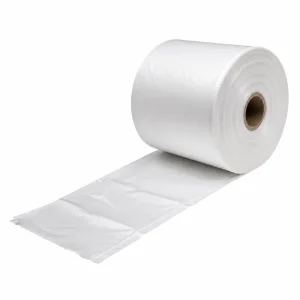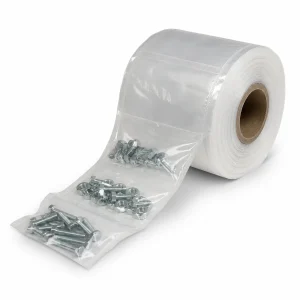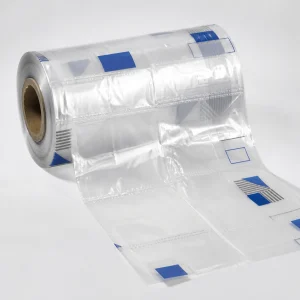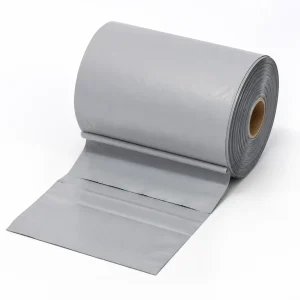

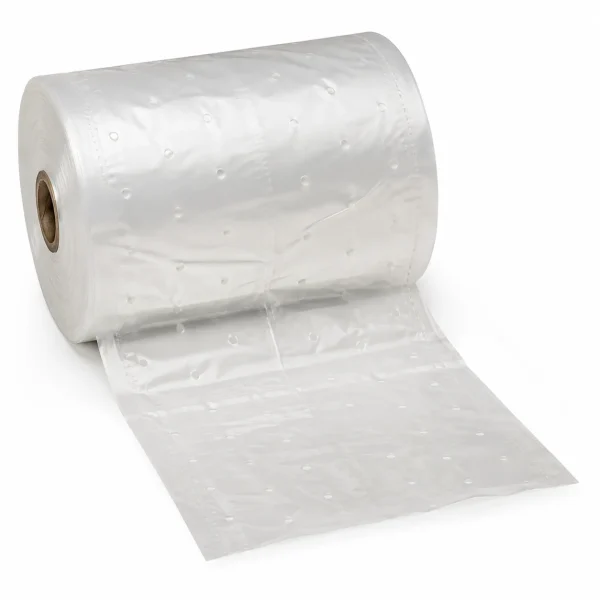
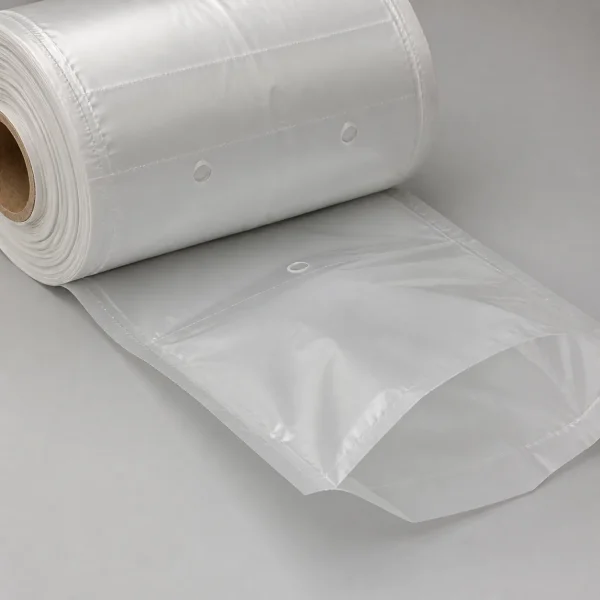
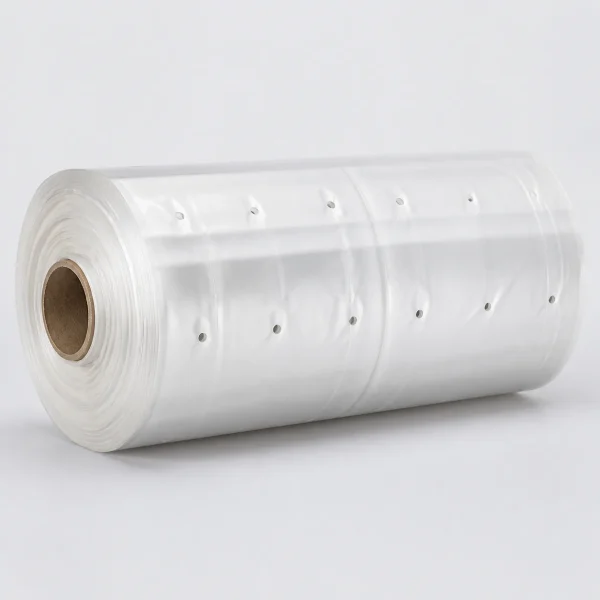
Vented Micro-Perforated Plastic Bags on a Roll for Automated Packaging
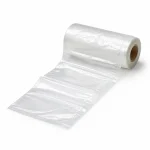
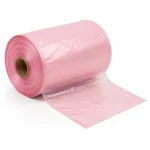
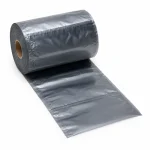
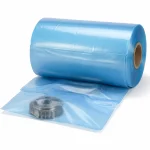
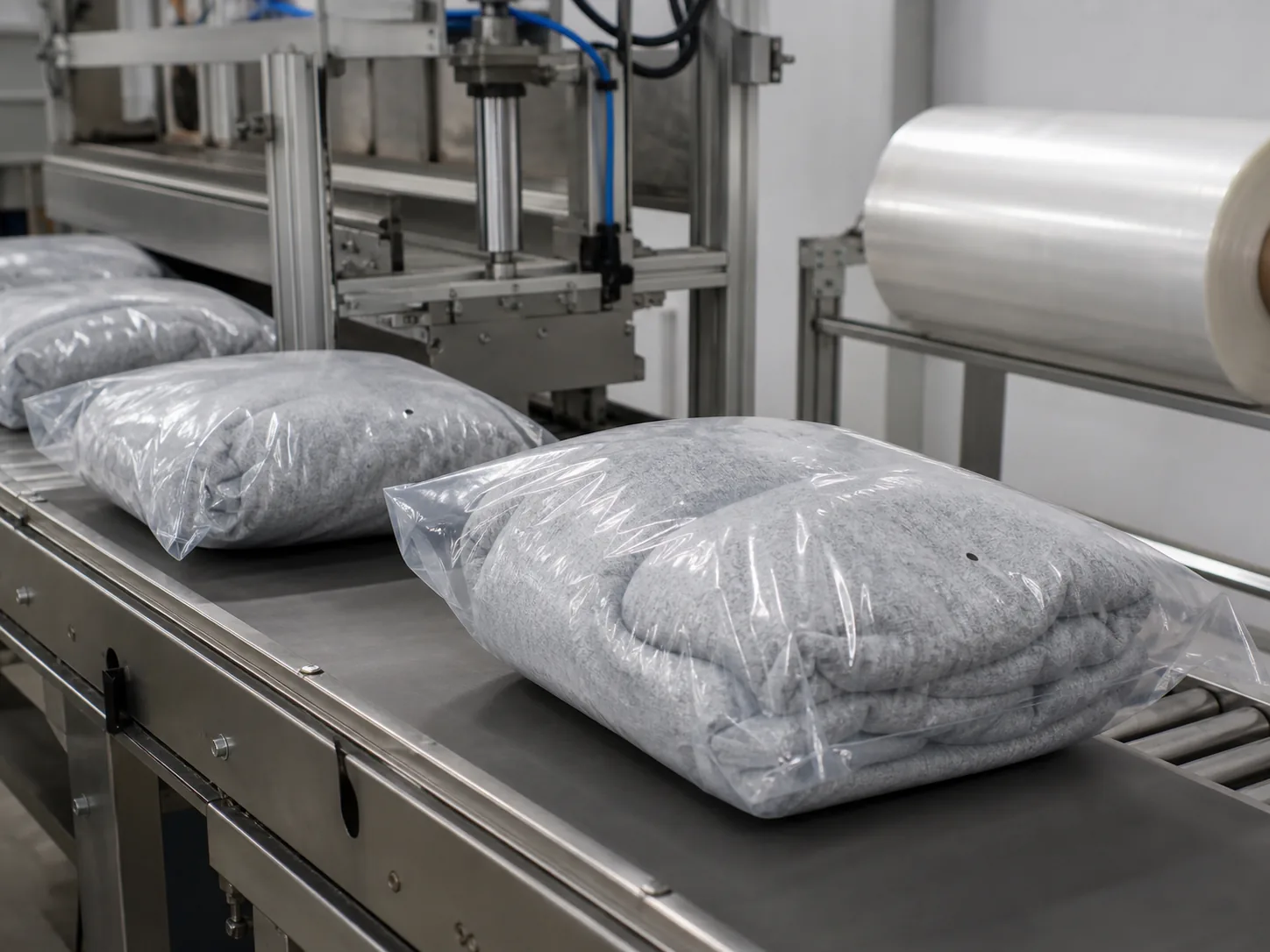
Orbapack manufactures high-yield vented micro-perforated plastic bags on a roll engineered specifically for high-speed automated bagging systems, including Autobag® AB 180/255, Sharp Packaging MAX, APS, and Rollbag™ platforms. Designed to deliver instant air evacuation during heat sealing, these continuous roll bags eliminate package ballooning, maximize master shipping carton capacity, and deliver clean, flat-stacking package presentations for apparel, soft textiles, foam products, and industrial hardware.
Extruded from 100% virgin Low-Density Polyethylene (LDPE) and high-tensile Linear Low-Density Polyethylene (LLDPE) resins, our vented roll bags combine exceptional optical clarity for rapid barcode scanning with reliable thermal seal strength under continuous high-PPM (packs per minute) operation.
Key Advantages of Our Anti-Pillowing Vented Rolls
- Slash Logistics & Inbound Freight Costs by Up to 30%: Standard airtight poly bags trap ambient air during sealing, creating a balloon effect that wastes valuable master box space. Our micro-perforated bags lay completely flat under compression, allowing fulfillment teams to fit significantly more product units into every shipping carton and pallet shipment.
- 100% Puncture & Tear-Resistant Edge Strength: Precision rotary-punched micro-perforations prevent stress concentration. Combined with high-tensile virgin resin formulations, the film around the micro-vent margins maintains robust puncture and tear resistance under aggressive high-speed machine pulling.
- Flawless Eye-Mark & Optical Barcode Alignment: Manufactured using high-clarity clear film with precise registration printing, these bags ensure zero optical sensor interference, zero registration skipping, and 100% scannability for retail barcodes and thermal tracking labels.
- Anti-Static, High-Speed Machine Operation: Integrated anti-static additives reduce surface friction and static cling, ensuring rapid air-jet bag opening, seamless feeding, and non-stop operational efficiency on automated packaging lines.
Technical Specifications & Buyer Focus Matrix
Our micro-perforated roll bags are manufactured to strict industrial tolerances. The table below details key technical parameters, supported ranges, and technical considerations for factory procurement managers:
| Parameter | Standard Range / Options | Buyer Technical Notes |
|---|---|---|
| Material Formulation | Premium Virgin LDPE / LLDPE Blend | 100% pure virgin film ensures maximum tensile strength, optical transparency, and flawless heat-seal integrity. |
| Film Thickness | 1.25 Mil, 1.5 Mil, 2.0 Mil, 3.0 Mil (30 – 75 Microns) | The 1.5 Mil to 2.0 Mil gauge is standard for lightweight and medium apparel packaging with micro-venting. |
| Bag Width | 2″ to 15″ (50 mm – 380 mm) | Must match the maximum film entry width allowable by your specific bagging machine model. |
| Bag Length | 3″ to 32″ (75 mm – 810 mm) | Includes the precise perforation pitch distance between consecutive pre-opened bags on the roll. |
| Core Diameter | 3 inches (76 mm) (Standard Plastic/Cardboard Core) | Standard international core size engineered for automatic pneumatic expansion shafts (e.g., Autobag). |
| Roll Outer Diameter | Max 10″ to 14″ (254 mm – 355 mm) | Designed to fit comfortably inside standard machine unwind trays without exceeding weight limits. |
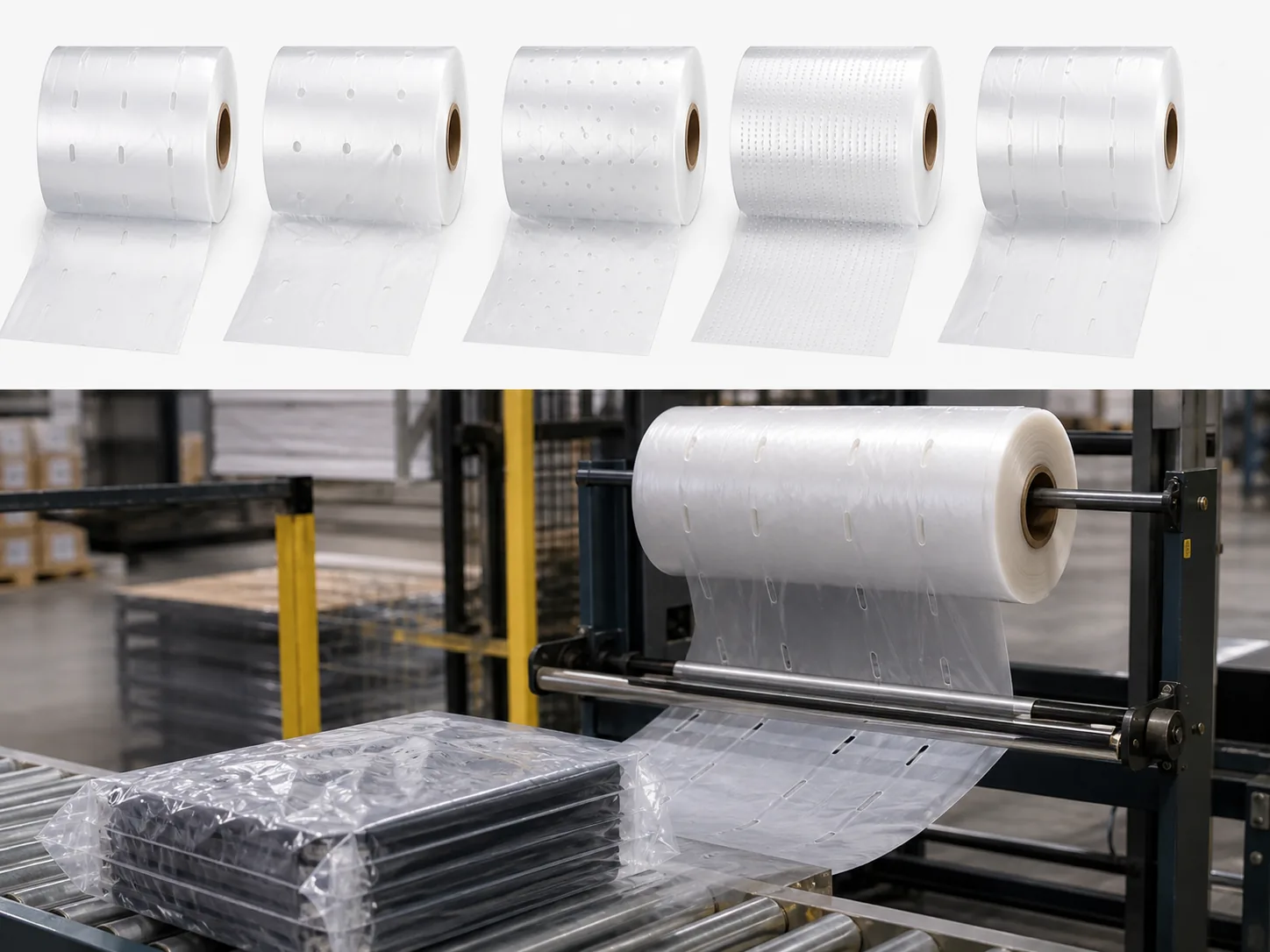
| Venting Pattern | Customized Matrix (e.g., 2×2, 4×4 holes per bag or linear) | Hole density and spacing are tailored to bag dimensions and required air evacuation speed. |
| Hole Diameter | 0.5 mm – 1.5 mm (Pin-hole or Micro-vent) | Critical parameter: blocks dust and prevents small hardware leakage while purging air in under 0.5 seconds. |
| Winding Direction | Pre-opened face facing OUT or IN (Customizable) | Must align with your machine air-blower nozzle direction (standard default is pre-opened side OUT). |
| Tensile Strength | ≥ 18 MPa (ASTM D882 Standard) | Ensures film will not tear along perforation lines or micro-vent hole margins during high-speed feeding. |
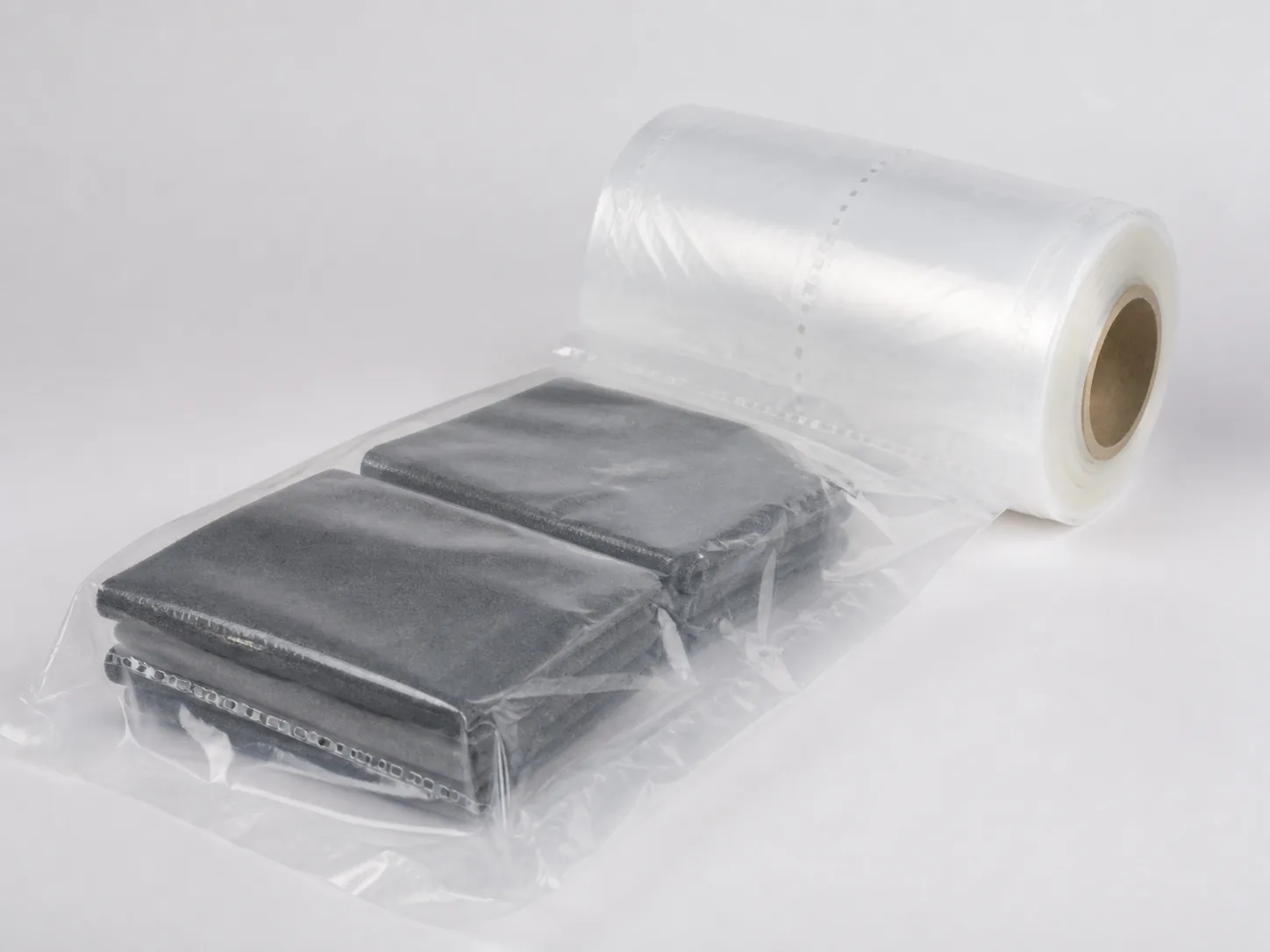
How to Select Vented Pre-Opened Bags on a Roll
Start with vent-hole diameter, count, pattern and position. Then confirm vent pattern, hole position, dimensions, thickness, material, perforation and roll presentation. Buyer specifications, application review, samples or drawings, and confirmed production requirements. This prevents a material, fit, presentation or equipment assumption from being treated as a confirmed production specification.
Review the Pre-Opened Bags on a Roll category for the broader product family, or compare Custom-Size Pre-Opened Bags on a Roll when that configuration may better match the application.
Frequently Asked Questions (FAQ) – Vented Micro-Perforated Bags Guide
Q: Why do bags pillow on an autobagger, and how do vent holes fix it?
A: When high-speed automated bagging machines compress and heat-seal airtight polyethylene film, ambient air gets trapped inside the sealed compartment. This creates a “pillow effect” (ballooning), which reduces carton packing density, causes seal ruptures under pallet stacking pressure, and significantly increases dimensional freight charges. Precision vent holes provide an instant air escape channel during the sealing jaw cycle, allowing trapped air to purge completely so packages lay flat.
Q: How big should vent holes be, how many, and where should they sit?
A: Standard punch vents range from 1/8″ to 1/4″ (3–6 mm) for general apparel, while micro-perforations range from 0.5 mm to 1.5 mm for dust-sensitive goods. The quantity and matrix placement (e.g., 2-hole, 4-hole, or linear grid) depend on total bag volume and compression speed. Venting holes are typically placed near the middle or bottom of the bag, safely clear of top thermal sealing lines and printed barcode registration zones.
Q: Vented or non-vented: when should I use which?
A: Use vented or micro-perforated bags for soft textiles, apparel, plush items, foam components, manuals, and bulk hardware where air evacuation is required to optimize box packing space and prevent shipping bursts. Use non-vented bags when packaging liquids, fine powders, sterile medical devices, or sensitive electronic items requiring an absolute airtight moisture and oxygen barrier.
Q: Does venting affect sealing, dust protection or barrier properties? Can I use them for food?
A: Vent holes placed below the heat-seal zone do not compromise top thermal seal strength. While standard 1/4″ vent holes allow fine dust entrance, 0.5–1.5 mm micro-perforations effectively block dust, dirt, and small hardware from escaping while maintaining air release. Micro-perforated poly bags made from virgin LDPE are safe for indirect food contact (e.g., fresh produce ventilation), but are not suitable for modified atmosphere food packaging (MAP) requiring moisture or gas barriers.
Q: What is the difference between perforated, vented, and micro-perforated bags?
A:
Perforated bags typically feature linear tear-off lines between connected bags on a continuous roll for easy manual or machine separation.
Vented bags contain macro die-cut holes (1/8″ to 1/4″) for rapid air release in standard apparel packaging.
Micro-perforated bags feature engineered pin-hole matrices (0.5 to 1.5 mm) designed to release trapped air instantly while keeping external dust out and internal small items contained.
Looking for standard unvented roll bags, custom gauges, or alternative automated packaging supplies? Browse our complete manufacturing catalog of custom poly bags on a roll and industrial packaging solutions.